Starting A New Design

I’m between classes at Pratt, so I’ll have to be brief. It’s the time in the semester when my students start to feel overwhelmed. After talking about vision, light, psychology, design, lamps, color, and light fixtures they’re about to start working on designing projects for class. The most common question is something like, “How can I possibly organize all of this information and start to make meaningful design decisions? I need to pick a light fixture, then I need to pick a lamp for that fixture, then I need to lay out the fixtures to arrive at the lighting that I want, right?”

Wrong! A lighting design doesn’t come from the lighting fixture, so design decisions shouldn’t start there. In a push-me-pull-you kind of way the first questions are always about the end result. Rather than choose a fixture and follow the light down into the room, what we need to do is understand the lighting requirements and follow the light up to the lamp and luminaire. How do you want the space to look and feel? What lighting techniques can help achieve that look? Is there an overarching thematic element that needs to be included?   How can we express the lighting goals in terms like intensity, color, and distribution? The answers to those questions should start to lead the designer to requirements for the fixture/lamp combination, and to the number of fixture types required to implement the design.

I explain that it’s not always a linear process, and that a certain amount of trial and error is part of any design. “Does this fixture give me the distribution and intensity I need?” isn’t always a yes/no question that can be answered by looking at a cut sheet. Sections may have to be studied, calculations run, different lamps and accessories considered, always with the end goal in mind.

Yes it’s hard. So hard, in fact, that some people spend several years studying light and design at the college level before getting their first job, only to discover that there’s so much more to learn! If you have a passion for light and design, though, trust me it’s worth it.
Digital Resources Now Available

So…Wiley has had some trouble with this book’s section of their web site.  To make things easier for students I’ve added a Resources section to this site with PDFs of flashcards, brief self-evaluation tests, and a few calculators.  Just click on the Resources tab above.  The only things missing are the animations that are reference in the book.  Unfortunately, I can’t find a way for WordPress to host interactive components, but everything else is just a click away.  You’re welcome!

Happy International Year of Light 2015

The United Nations has proclaimed that 2015 is the International Year of Light and Light Based Technologies, also referred to as IYL 2015.  2015 is the anniversary of quite a few notable discoveries about light.  The UN resolution recognizes “the works on optics by Ibn Al-Haytham in 1015, the notion of light as a wave proposed by Fresnel in 1815, the electromagnetic theory of light propagation proposed by Maxwell in 1865, Einstein’s theory of the photoelectric effect in 1905 and of the embedding of light in cosmology through general relativity in 1915, the discovery of the cosmic microwave background by Penzias and Wilson, and Kao’s achievements concerning the transmission of light in fibers for optical communication, both in 1965.”

By focusing on the topic of light science and its applications, the UN hopes to raise global awareness about how light-based technologies promote sustainable development and provide solutions to challenges in energy, education, agriculture and health. It’s an exciting idea, and I hope that we see a lot of activity surrounding light and lighting design in the profession, allied professions, and the media.  It’s a great opportunity for the IALD, IES, manufacturers, etc. to raise their profile, raise the profile of lighting design, and educate people about the advantages of well designed lighting.  Unfortunately, as of today very few activities have been announced and none of them are activities or events related to lighting in the built environment (not counting annual events, such as LightFair, that would happen anyway).    If you have any contacts within these organizations, urge them to take advantage of this special year.

Student Custom Fixtures

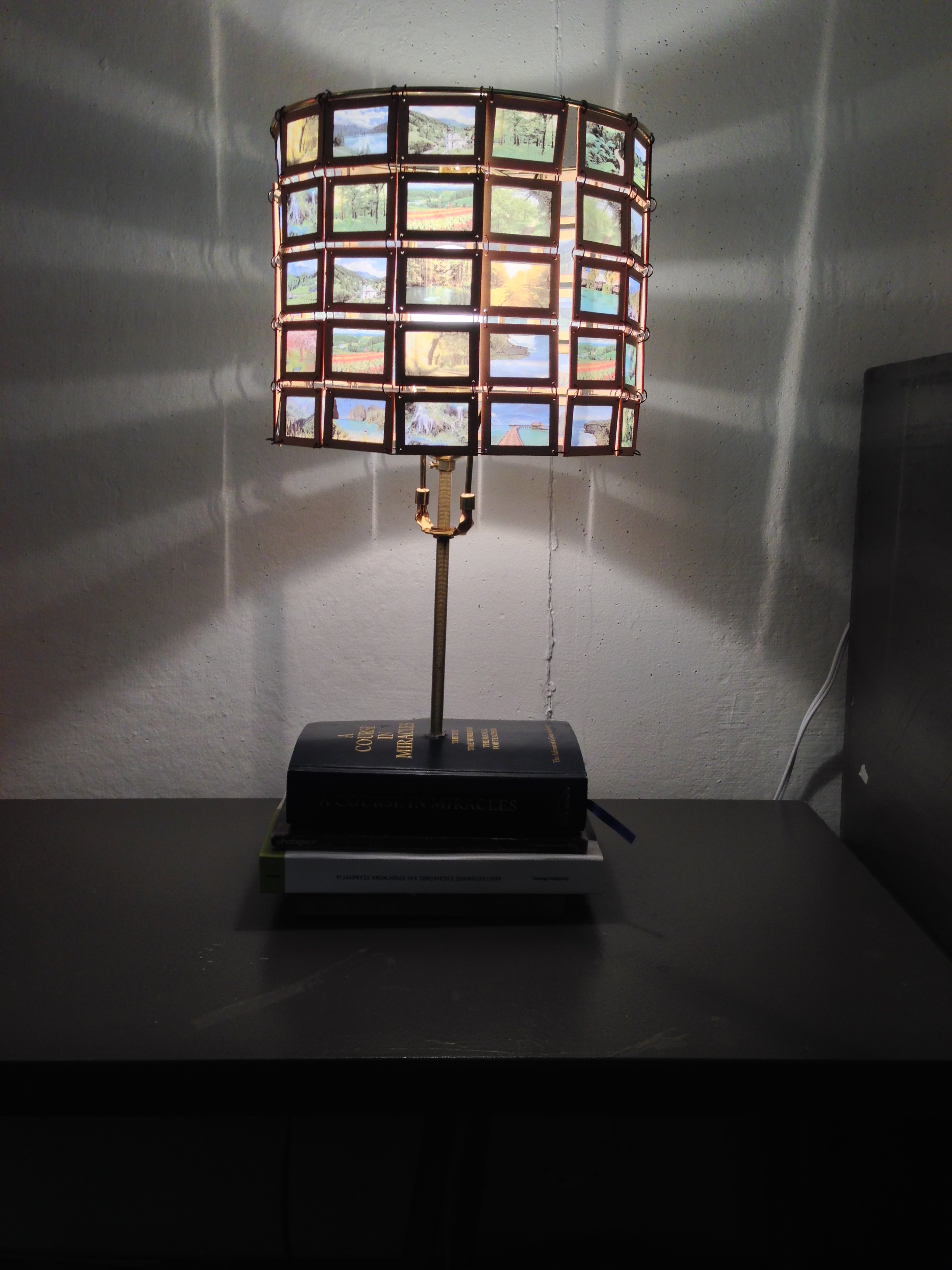
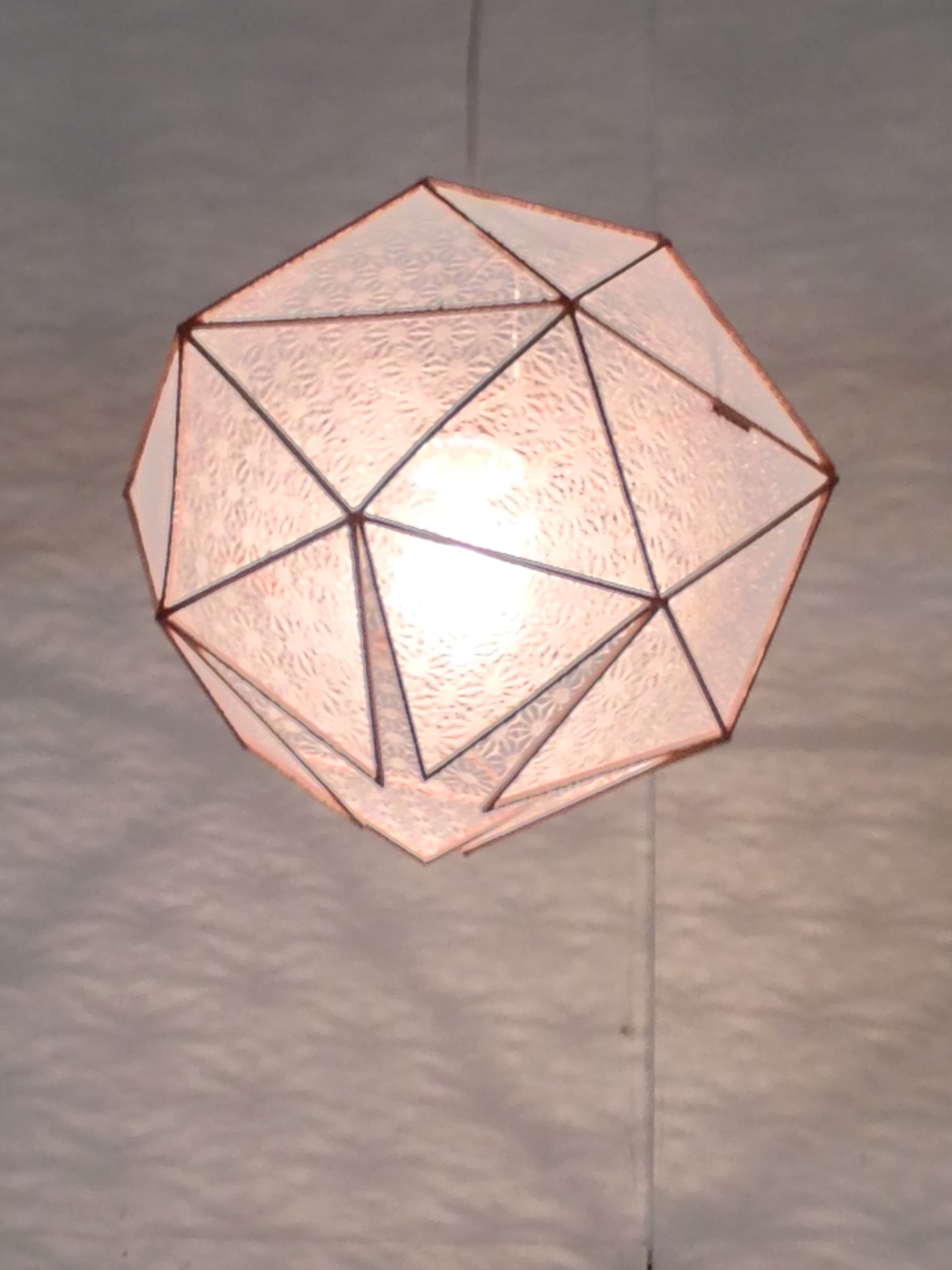
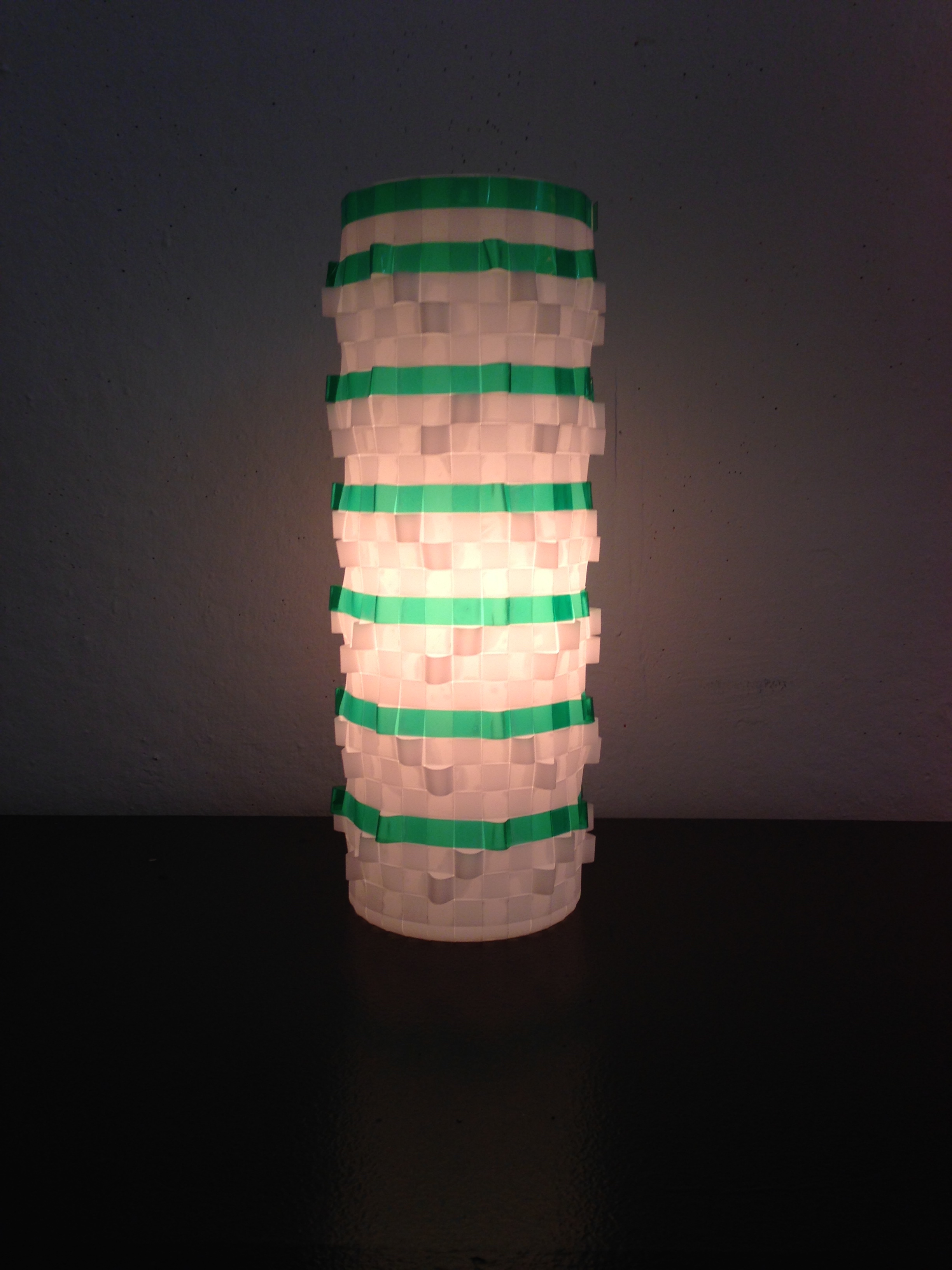
The main design assignment for this  semester’s Pratt students is a cafe.  The students selected their own interior design and had to develop a custom lighting fixture that is integrated with that design.  Here area few of this semester’s  fixtures.

Lauren Mercuri
Lauren Mercuri
Tammy Zhao
Tammy Zhao
Pradthana Likitplig
Pradthana Likitplig
Sol Ok
Sol Ok
Sofia Martinez
Sofia Martinez


Back to School

The prediction is for a cold and snowy day in Brooklyn as my students and I return to  Pratt after the winter break.  This semester will be the final pass through the PowerPoint slides that will be available to instructors on Wiley’s web site.  It will also be, by my count, the 20th spring teaching this material.

At this point I assume that the only people reading this blog are my students (it’s only been active for about six hours!) so let me repeat what I say at the beginning of every semester – This is for you.  I know that a lighting design can have a profound impact on the way users view, experience, and interact with a space.  The goal of the semester is to help you to know it, too, and to give you the vocabulary, an understanding of the tools, and a structure (actually several structures) to frame your lighting design goals.  If there’s something I can do to help you with those goals, talk to me.